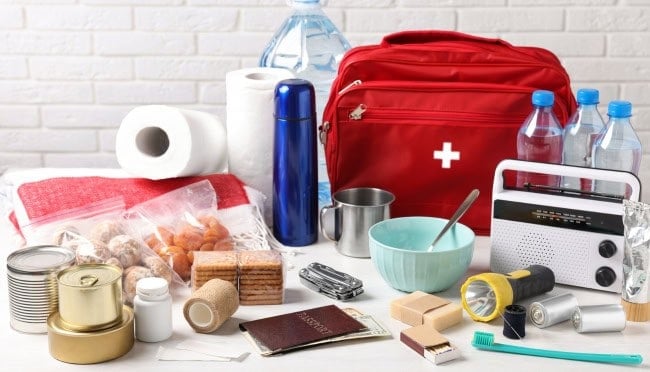
10 Things Every Adult Should Have Ready Before an Emergency Happens
November 27, 2026Life out in the country has a rhythm all its own. You know your neighbors by name, your nearest grocery store might be a 20-minute drive, and a summer storm can knock out power for days. That independence is part of the appeal. It also means you’re often your own first responder.
Emergencies rarely announce themselves. A tornado warning, a flash flood, a wildfire, or a sudden health scare can turn a calm afternoon upside down. The adults who handle these moments best aren’t always the toughest or the luckiest. They’re the ones who prepared ahead of time.
The good news is that emergency preparedness doesn’t require a bunker or a huge budget. It takes a clear plan, the right supplies, and a little time set aside on a quiet life. Here are 10 things every adult should have ready before the next emergency arrives.
1. A Written Emergency Plan the Whole Family Knows
Every strong preparedness effort starts with an emergency plan. It’s the roadmap your household follows when things get loud, scary, or confusing. Without one, even simple decisions like where to meet or who picks up the kids can turn into chaos.
Sit down with your family and talk through the most likely threats in your area. For more ideas on keeping your household safe and connected, browse these family resources for rural living. Rural communities face different risks than city dwellers. You might worry more about long power outages, washed-out roads, or wildfire smoke than about crowded evacuation routes.
A solid plan should cover:
- Two meeting spots: one close to home and one outside your neighborhood
- Evacuation routes, including a backup if your main road floods or gets blocked
- An out-of-area contact everyone can call or text to check in
- Who is responsible for kids, older relatives, pets, and livestock
Write it down, print copies, and post one on the fridge. Then practice it. A plan that lives only in your head won’t help much when your heart is pounding.
2. Emergency Supplies Packed in a Home Supply Kit
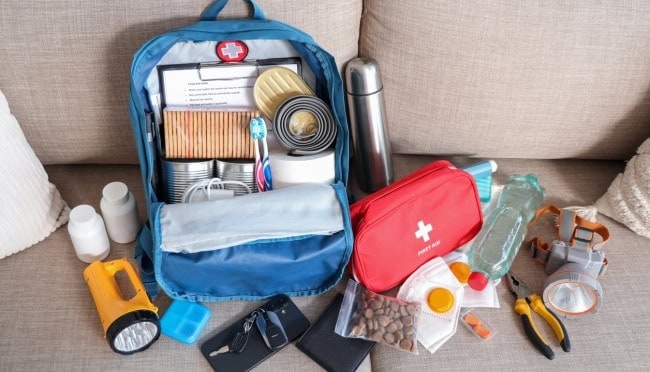
Your supply kit is the backbone of your emergency supplies. It’s what keeps your household going if you’re stuck at home without power, running water, or easy access to stores.
Most experts suggest having enough supplies to last at least 72 hours. For rural homes, two weeks is a smarter target. Help may take longer to reach you when roads are damaged or crews are stretched thin across a wide area.
Store your kit in a cool, dry place that’s easy to reach, like a hall closet or a sturdy plastic bin in the garage. Include basics like flashlights, extra batteries, a manual can opener, a multi-tool, duct tape, garbage bags, hygiene items, and a whistle to signal for help.
Not every kit serves the same purpose. Here’s how the three most common types compare:
| Kit Type | Best For | Duration | Key Contents | Where to Store |
| Home Supply Kit | Sheltering in place during outages or storms | 2 weeks | Stored water, shelf-stable food, lighting, first aid, sanitation items | Closet, basement, or garage |
| Go-Bag | Fast evacuations | 72 hours | Water bottles, snacks, medications, phone charger, copies of family records | Near the front door or in a bedroom closet |
| Vehicle Kit | Getting stranded on the road | 24–48 hours | Blanket, water, jumper cables, flashlight, snacks, first aid | Trunk or truck bed toolbox |
Having all three gives you flexibility. Whether you stay put, leave in a hurry, or get stuck on a back road, you’re covered.
3. Stored Water and Shelf-Stable Food
Water is the single most important item in any emergency kit. You can go weeks without food but only days without water. If your home relies on a well with an electric pump, a power outage can cut off your supply in an instant.
Plan for at least one gallon of water per person per day for drinking and basic hygiene. Add more for pets, hot climates, nursing mothers, or anyone who’s ill. Store water in food-grade containers and swap it out every six months or so. Commercially bottled water lasts longer if it stays sealed.
For food, choose items that don’t need refrigeration and require little or no cooking. Canned meats, beans, peanut butter, crackers, dried fruit, oats, and nuts are all good picks. If you garden or can your own produce, those jars of green beans and peaches pull double duty as emergency food.
Think about food and water together as one system. Rotate your stored food water supply into everyday meals so nothing expires on a dusty shelf. Mark your calendar twice a year to check dates. Many folks tie it to daylight saving time changes for an easy reminder.
4. Health Essentials for Every Emergency
A disaster doesn’t put chronic conditions on pause. If someone in your home depends on daily medication, running out during an emergency can quickly become a crisis of its own.
Keep at least a seven-day supply of prescription medications in your kit, and ask your doctor or pharmacist about getting an early refill for emergencies. Store a written list of every medication, dosage, and prescribing doctor alongside them.
Your health kit should also include a well-stocked first aid kit, spare eyeglasses or contacts, hearing aid batteries, and any medical devices someone relies on. If a family member uses equipment that needs electricity, such as an oxygen concentrator, have a backup power plan in place before you need it.
Don’t forget your health insurance cards. Keep photocopies in your go-bag and digital copies on your phone. If you have to seek care at an unfamiliar clinic or emergency shelter, having that information on hand saves time and stress. Good health planning also means knowing the location of the nearest hospital and urgent care center, since rural distances can make every minute count.
5. Copies of Important Family Records
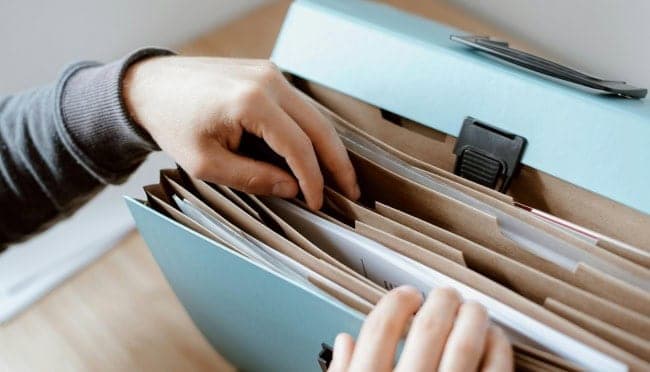
Floods and fires don’t just damage homes. They destroy the paperwork that proves who you are and what you own. Replacing those documents after a disaster can take months, and you may need many of them right away to apply for aid or file insurance claims.
Gather copies of key family records and keep them in a waterproof, fireproof container. Many families also scan everything and store it in a secure, encrypted cloud account or on a password-protected flash drive.
Your records folder should include birth certificates, Social Security cards, passports, driver’s licenses, property deeds, vehicle titles, insurance policies, wills, and recent bank statements. Add a list of emergency contacts and a home inventory with photos or video of your belongings. That inventory can make insurance claims far smoother after a loss.
6. A Reliable Way to Receive Emergency Alerts
Warning time saves lives. A few extra minutes can mean the difference between reaching a safe spot and getting caught in a storm’s path.
Make sure your phone is set up to receive Wireless Emergency Alerts. Check your settings, since some alert types can be turned off by accident. Sign up for your county’s emergency alerts, too. Most local emergency management offices offer free text or email notifications.
Out in the country, cell service can be spotty, and outdoor sirens may be miles away or nonexistent. That’s why a battery-powered or hand-crank NOAA Weather Radio is one of the smartest purchases you can make. It broadcasts weather warnings around the clock and works even when the power and internet are down. Many models also include a flashlight and USB port for charging your phone.
7. Cash and Access to Your Finances

When the power goes out, so do card readers and ATMs. Even when stores reopen after a disaster, they may only accept cash for days.
Keep a stash of small bills at home, somewhere safe but accessible. A few hundred dollars in ones, fives, tens, and twenties can cover gas, groceries, and other needs while systems come back online.
It also helps to know how to reach your bank and insurance company if your wallet or phone is lost. Write down account numbers and customer service phone numbers, then store that list with your family records.
8. Backup Power and Light
Rural power lines often take longer to repair than those in town. A multi-day outage is common after ice storms, hurricanes, and severe thunderstorms.
A portable generator can keep your refrigerator, freezer, well pump, and a few lights running. Always operate it outdoors, at least 20 feet from doors and windows, to prevent carbon monoxide poisoning. Install battery-operated carbon monoxide detectors inside your home as an extra layer of protection.
If a generator isn’t in your budget, smaller options still go a long way:
- Solar-powered lanterns and phone chargers
- Rechargeable power banks kept fully charged
- LED flashlights and headlamps with spare batteries
- A battery-powered fan for summer outages
Skip candles if you can. They’re a leading cause of house fires during power outages.
9. Know Where to Find Disaster Assistance
Even the best-prepared households sometimes need outside help. Knowing where to turn before a disaster strikes can speed up your recovery and ease a lot of worry.
Federal disaster assistance is available through FEMA after a major disaster declaration. You can apply online at DisasterAssistance.gov, by phone, or in person at a Disaster Recovery Center. These programs may help cover temporary housing, home repairs, and other essential needs not covered by insurance.
Local resources matter just as much. County emergency management offices, churches, volunteer fire departments, and community groups often provide meals, shelter, cleanup crews, and supplies after a storm. Rural communities have a long tradition of neighbors helping neighbors, and that network is one of your greatest assets.
Make a list of local services, assistance programs, and trusted local attorneys, including phone numbers and addresses, and tuck it into your emergency plan. Having legal counsel available can be invaluable if you need to review property deeds, update estate plans, or navigate legal documentation following an emergency. Review your homeowners or renters insurance, too. Many standard policies don’t cover flood damage, so ask your agent whether you need separate flood coverage.
10. A Plan for Pets and Livestock
Animals are family, and on a farm or homestead, they’re often your livelihood. Leaving them out of your emergency plan puts them at serious risk.
For pets, pack a small kit with food, water, medications, leashes, carriers, vaccination records, and a recent photo in case you get separated. Not every emergency shelter accepts animals, so research pet-friendly hotels or shelters along your evacuation route.
Livestock takes more planning. Identify where you could move animals if you need to evacuate, and line up trailers and drivers ahead of time. Keep extra feed and water on hand, and make sure every animal has some form of identification, such as ear tags, brands, or microchips. If evacuation isn’t possible, decide in advance whether animals are safer in a barn or an open pasture, depending on the threat.
Making Emergency Preparedness Part of Everyday Life
Preparedness isn’t a one-and-done project. It’s a habit. Start small if the full list feels overwhelming. Build your supply kit this month, gather your family records next month, and practice your emergency plan the month after that.
Every step you take puts your household in a stronger spot. When the next storm rolls across the fields or the lights flicker out on a cold winter night, you’ll have the peace of mind that comes from knowing you’re ready. That calm confidence is worth every hour you invest today.
Frequently Asked Questions
How much water should I store for an emergency?
Plan on at least one gallon of water per person per day. Store enough for a minimum of three days, though two weeks is ideal for rural homes. Add extra for pets, livestock, and hot weather.
How often should I update my emergency supplies?
Check your emergency supplies every six months. Replace expired food, medications, and batteries, and refresh your stored water. Update your plan whenever your family situation changes, like a new baby, a new pet, or a move.
What documents should I include with my family records?
Include identification documents, birth certificates, Social Security cards, insurance policies, health insurance cards, property deeds, vehicle titles, wills, medical information, and a list of emergency contacts. Keep both physical copies and secure digital backups.
Who qualifies for federal disaster assistance?
Federal disaster assistance is generally available to people living in areas covered by a major disaster declaration. Eligibility depends on your losses, insurance coverage, and other factors. You can check your eligibility and apply through DisasterAssistance.gov or by calling FEMA directly.
What’s the best way to get emergency alerts in a rural area?
Use more than one source. Enable Wireless Emergency Alerts on your phone, sign up for county text alerts, and keep a battery-powered NOAA Weather Radio at home. A weather radio is especially valuable in areas where cell service is weak or unreliable.