
How Landscaping Mulch Prevents Erosion and Preserves Groundwater in California Lakes and Rivers
October 19, 2026The California landscape is known for its stunning beauty, but it also faces significant environmental challenges, including drought and erosion. Protecting our natural resources, like the state’s vital lakes and rivers, requires thoughtful and effective landscape management. One of the most powerful tools in this effort is something quite simple: mulch. Applying a layer of mulch is a cornerstone of smart landscaping, offering a direct defense against soil loss and playing a key role in water conservation.
Explore how landscape mulching helps prevent soil erosion, finding sanctuary in the soil, protecting water quality in California’s waterways, and promoting overall soil health. We’ll look at different types of materials, their specific benefits for sloped areas, and how they contribute to a healthy, resilient landscape.
The Role of Mulch in a Healthy Landscape
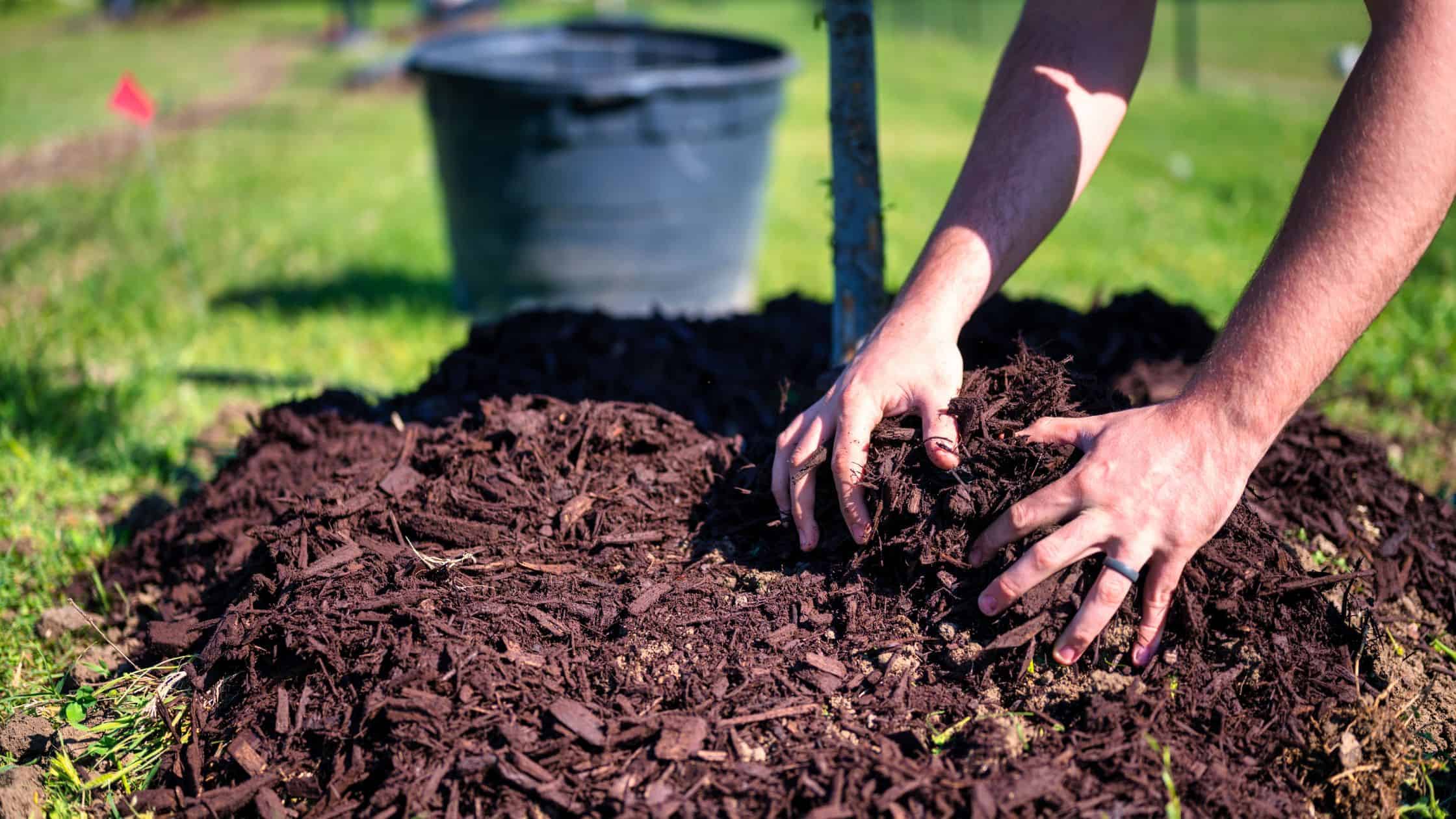
Mulch is more than just a decorative topping for your garden beds. It is a protective layer of material applied to the surface of the soil. This layer serves multiple purposes, from suppressing weeds and retaining moisture to regulating soil temperature. In the context of a California landscape, its role in preventing soil degradation and conserving water is especially important.
By covering the soil, mulch acts as a shield against the elements. It breaks the impact of falling raindrops, which can dislodge soil particles and begin the process of erosion. It also slows down water runoff, giving it more time to soak into the ground instead of washing away valuable topsoil. This process is fundamental to maintaining the structure and health of the soil, ensuring that plants have a stable and nutrient-rich environment to grow in.
Combating Soil Erosion with Smart Landscaping
Soil erosion is the process by which topsoil is worn away by natural forces like wind and water. This is a major concern, particularly on sloped areas or in regions with sparse vegetation. When soil erodes, it doesn’t just disappear; it often ends up in our lakes and rivers, carrying pollutants and sediment that harm aquatic ecosystems. Landscape mulching is one of the most effective methods to reduce erosion.
Here’s how it works:
- Reduces Raindrop Impact: A layer of mulch absorbs the energy of falling rain, preventing it from dislodging soil particles. This is the first line of defense against water erosion.
- Slows Water Runoff: On both flat and sloped areas, mulch creates a more permeable surface. It acts like a sponge, slowing the flow of water and allowing it to penetrate the soil, which drastically reduces the volume and velocity of surface runoff.
- Stabilizes the Soil: Mulch helps hold soil in place, especially organic materials that break down over time and integrate with the soil structure. This added stability is crucial for preventing both wind and water erosion.
Effective erosion control is not just about protecting your own property. It’s about being a good steward of the environment by helping to keep California’s waterways clean and healthy. Image Credits to TMS Landscapers.
Preserving Soil Structure and Fertility
Healthy soil is the foundation of any successful landscape. It’s a complex ecosystem teeming with beneficial organisms that support plant growth. Soil erosion strips away the most fertile layer of topsoil, which is rich in organic matter and essential nutrients. This degradation compromises soil health and makes it difficult for plants to thrive.
Using organic mulch provides a continuous source of nutrients back into the ground. As materials like wood chips, bark, or compost decompose, they enrich the soil, improving its structure and fertility. This process creates a more resilient soil that is better able to retain water and resist compaction. For landscaping projects, building healthy soil is a long-term investment that pays off in more robust plants and reduced maintenance needs.
Mulch and Water Conservation Efforts
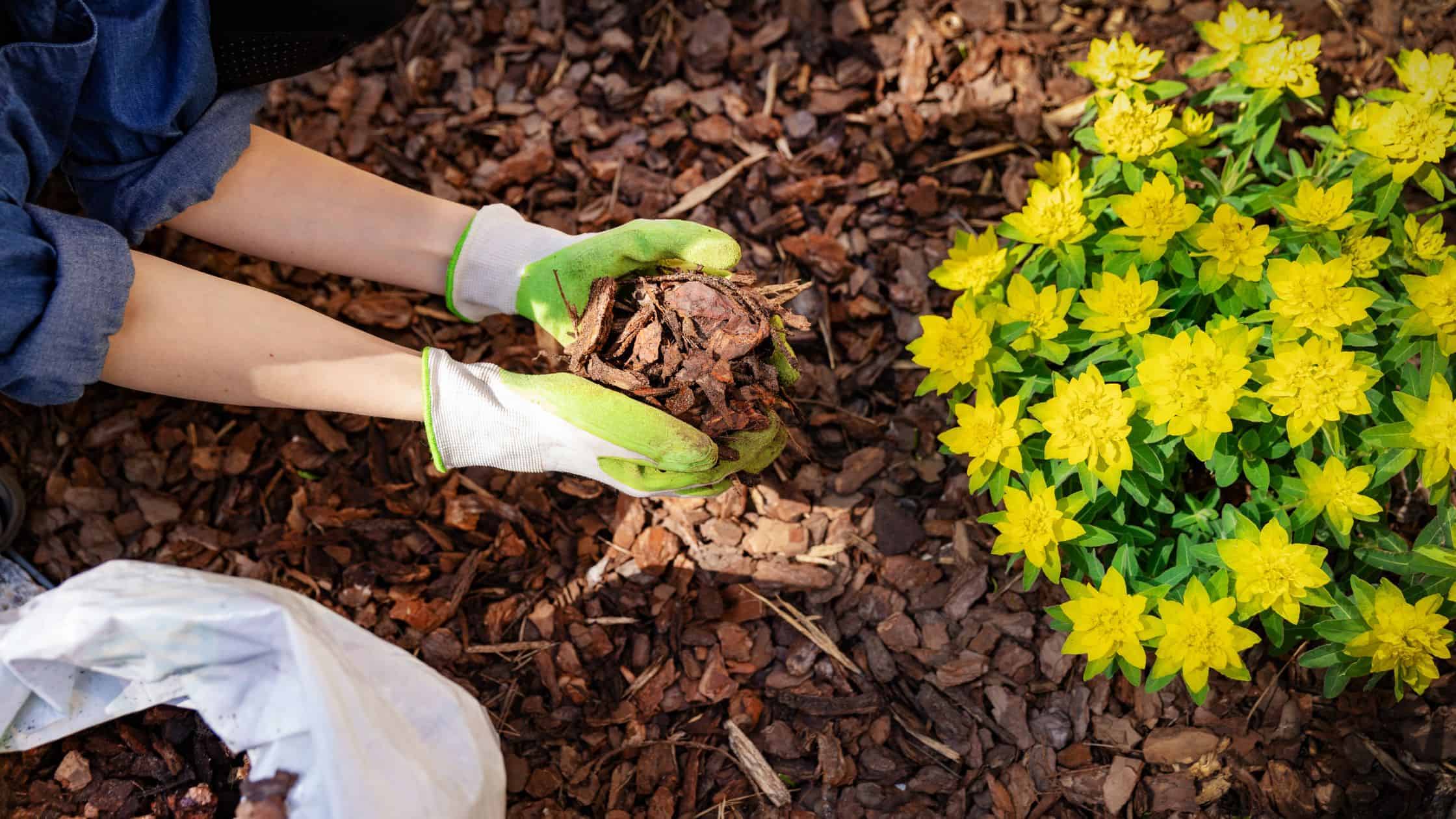
Water is one of California’s most precious resources, and water conservation is a responsibility for everyone. Landscape mulching is a powerful technique for reducing water usage in your garden and landscapes. By covering the soil, mulch minimizes evaporation caused by sun and wind. This means more water stays in the soil where plant roots can access it.
The benefits for water management are twofold. First, you reduce the need for frequent irrigation, saving water and lowering your utility bills. Second, by increasing water absorption into the ground, mulch helps replenish local groundwater supplies. This is a critical aspect of protecting the health of California’s lakes and rivers, as healthy groundwater levels prevent these bodies of water from depleting during dry periods.
Comparing Mulch Materials for Erosion Control
Choosing the right mulch depends on your specific needs, such as the slope of the land and the type of plants you have. Both organic and inorganic materials can be effective, but they offer different benefits.
| Mulch Type | Best For | Erosion Control Effectiveness | Additional Benefits |
| Wood Chips/Bark | General landscaping, sloped areas | High | Decomposes to enrich soil, good moisture retention. |
| Shredded Hardwood | Steep slopes | Very High | Mats together to stay in place, excellent runoff prevention. |
| Compost | Vegetable gardens, flower beds | Moderate | Adds rich nutrients, improves soil structure quickly. |
| Gravel/Pebbles | Flat areas, fire-prone zones | Moderate to High | Long-lasting, non-flammable, good for xeriscaping. |
| Straw | New lawns, large open areas | High | Inexpensive, effective for temporary coverage, biodegradable. |
Organic mulches are generally preferred for their soil-enriching properties, but inorganic options can be excellent for long-term, low-maintenance solutions in specific situations.
Frequently Asked Questions (FAQs)
How deep should I apply mulch to prevent erosion?
For most applications, a layer of 2 to 4 inches is ideal. This depth is sufficient to reduce water runoff, suppress weeds, and retain soil moisture without suffocating plant roots. Be sure to keep mulch a few inches away from the base of tree trunks and plant stems to prevent rot.
Can I use mulch on a steep hill?
Yes, but you should choose a material that will stay in place. Shredded hardwood mulch is an excellent choice for sloped areas because the pieces interlock and form a stable mat. You can also use erosion control blankets or netting over the mulch for added stability on very steep inclines.
How often does mulch need to be replenished?
Organic mulches, like wood chips or bark, decompose over time and will need to be replenished every 1 to 3 years to maintain the ideal depth. The rate of decomposition depends on the material, climate, and amount of moisture. Inorganic mulches like gravel last much longer but do not improve soil health.
Does mulch attract pests?
While some pests may seek shelter in mulch, it does not typically cause infestations. To minimize any risk, avoid piling mulch directly against your home’s foundation. Proper maintenance and using a well-composted organic mulch can help create a balanced environment that supports beneficial insects and discourages pests.
Which type of mulch is best for water conservation in a California landscape?
Both organic and inorganic mulches are effective for conserving water by reducing evaporation. However, organic mulches like wood chips or compost offer the added benefit of improving the soil’s water-holding capacity as they break down. This makes them a superior choice for long-term soil health and water conservation.


